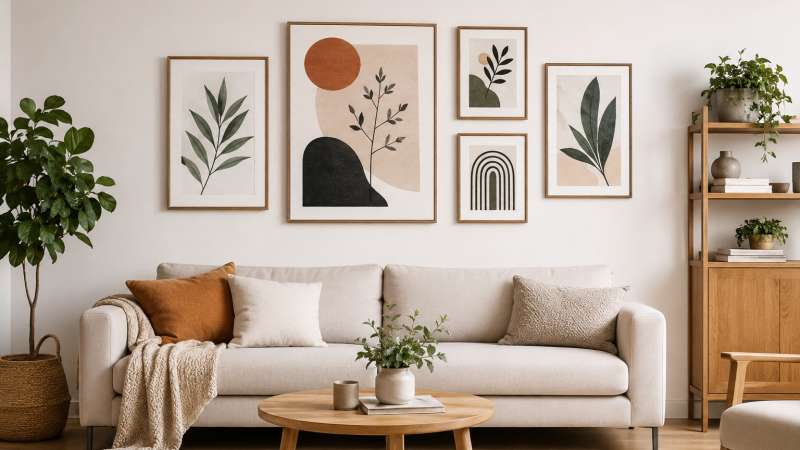
Wall art & decoration plays a significant role in creating a welcoming, stylish, and personalized home. Empty walls often make a room feel unfinished, while thoughtfully selected artwork adds warmth, character, and visual interest. Whether you prefer a modern, rustic, industrial, or bohemian interior, choosing the right wall décor helps tie every design element together.
Today, homeowners have countless options for decorating their walls. From canvas paintings and framed photographs to metal sculptures, wooden panels, mirrors, and botanical prints, every decorative piece contributes to the overall atmosphere of a room. However, selecting the perfect artwork involves more than simply hanging attractive pieces. You must consider colors, proportions, textures, layouts, lighting, and furniture placement.
This comprehensive guide explains everything you need to know about choosing, arranging, and maintaining beautiful wall décor. By following these practical tips, you can confidently create stylish spaces that reflect your personality while maintaining balance and harmony throughout your home.
Why Wall Art Matters in Interior Design
Walls occupy the largest visual space inside any room. Decorating them effectively transforms plain interiors into inviting environments.
Good wall décor offers several advantages:
- Adds personality to your home
- Creates a focal point
- Improves color balance
- Completes empty spaces
- Enhances furniture arrangements
- Makes rooms feel larger or cozier
- Reflects your lifestyle and interests
Instead of leaving large blank walls untouched, thoughtful decoration creates a finished appearance that guests immediately notice.
Understanding Different Types of Wall Art
Before purchasing artwork, it’s important to understand the various options available.
Canvas Prints
Canvas artwork remains one of the most popular decorating choices. Printed or painted on stretched fabric, canvas creates a modern, elegant appearance without requiring glass frames.
Canvas prints work perfectly in:
- Living rooms
- Bedrooms
- Hallways
- Offices
- Dining rooms
Large panoramic landscapes also become beautiful statement pieces above sofas.
Framed Artwork
Framed artwork includes:
- Photography
- Watercolor paintings
- Illustrations
- Digital prints
- Vintage posters
Matching frame colors help maintain consistency throughout your interior.
Metal Wall Sculptures
Industrial-style homes often feature decorative metal pieces.
Popular options include:
- Geometric designs
- Metal trees
- Sunburst decorations
- Floral patterns
- Abstract sculptures
These decorations introduce texture and depth that flat artwork cannot achieve.
Wooden Wall Panels
Wood instantly creates warmth.
Decorative wooden panels include:
- Carved floral patterns
- Rustic reclaimed wood
- Modern slatted panels
- Layered geometric designs
Natural wood complements nearly every decorating style.
Mirrors
Mirrors serve both decorative and practical purposes.
Benefits include:
- Reflecting natural light
- Making rooms appear larger
- Creating visual balance
- Brightening dark spaces
Decorative mirror frames also become artwork themselves.
Choosing the Right Wall Art & Decoration for Your Style
Every decorating style requires different artwork selections.
Let’s explore today’s most popular trends.
Boho & Botanical Style
The bohemian aesthetic remains one of today’s fastest-growing interior trends.
This style includes:
- Soft earth tones
- Terracotta colors
- Botanical illustrations
- Leaf prints
- Warm neutral palettes
- Organic textures
- Woven wall hangings
Natural materials create a relaxing atmosphere perfect for bedrooms and living rooms.
Adding macramé pieces alongside framed botanical artwork creates a cozy environment full of warmth and personality.
Minimalist Abstract Style
Minimalist interiors embrace simplicity.
Characteristics include:
- Black-and-white artwork
- Neutral color blocks
- Geometric shapes
- Clean lines
- Limited color palettes
Instead of filling every wall, minimalist spaces rely on fewer but larger statement pieces.
This approach keeps rooms uncluttered while maintaining visual sophistication.
Industrial Metal Style
Industrial interiors combine raw materials with bold artistic features.
Popular decorative choices include:
- Steel sculptures
- Metallic tree designs
- Black iron frames
- Wire geometric patterns
- Textured metal panels
These elements add striking dimension while complementing concrete, brick, and exposed wood surfaces.
Classic Multi-Panel Designs
Traditional homes often feature symmetrical artwork.
Examples include:
- Three-piece floral sets
- Five-panel landscapes
- Wooden carved panels
- Decorative metal frame collections
Balanced arrangements provide elegant, timeless appeal suitable for dining rooms and formal living spaces.
Matching Wall Colors with Artwork
Color coordination determines whether artwork blends naturally with your room.
Neutral Walls
White, cream, and beige walls allow almost any artwork to stand out beautifully.
Consider:
- Bold abstract paintings
- Colorful landscapes
- Black-and-white photography
Gray Walls
Gray walls pair well with:
- Gold frames
- Navy artwork
- Green botanical prints
- Wooden accents
Dark Walls
Dark-colored walls require brighter artwork.
Choose:
- White frames
- Metallic decorations
- Bright canvases
- Large mirrors
These pieces prevent rooms from feeling too enclosed.
Selecting the Right Size
Artwork size significantly affects room balance.
General guidelines include:
Small Walls
Use:
- Single framed print
- Round mirror
- Floating shelf
Medium Walls
Choose:
- Two or three matching pieces
- Horizontal landscapes
- Medium-sized gallery wall
Large Walls
Ideal choices include:
- Oversized canvas
- Multi-panel artwork
- Decorative wood installation
- Large gallery arrangement
Oversized pieces often create stronger visual impact than many tiny decorations.
Popular Layout Ideas
Proper placement matters just as much as selecting artwork.
Several layouts consistently produce professional-looking results.
The Gallery Grid
The Gallery Grid creates a clean and organized appearance.
Arrange matching artwork using identical frames and equal spacing.
This layout works especially well for:
- Family photographs
- Black-and-white prints
- Minimalist artwork
- Modern apartments
Keeping consistent frame colors produces a polished, structured design.
The Sofa Anchor
One of the most effective living room arrangements places artwork approximately six to eight inches above the sofa.
Options include:
- One oversized landscape
- Three matching canvases
- Large abstract artwork
This arrangement anchors the furniture while naturally drawing attention toward the seating area.
The Asymmetric Mix
Bohemian interiors often embrace creative freedom.
Combine:
- Framed prints
- Decorative mirrors
- Hanging baskets
- Textile art
- Wooden sculptures
Mixing materials adds personality while creating a relaxed, collected-over-time appearance.
Room-by-Room Decorating Guide
Different rooms require different decorating approaches.
Living Room
The living room often showcases the home’s most impressive decorative pieces.
Consider:
- Large landscape canvases
- Family gallery walls
- Metal sculptures
- Botanical artwork
- Oversized abstract paintings
Place artwork where guests naturally focus upon entering the room.
Bedroom
Bedrooms benefit from calming artwork.
Choose:
- Soft watercolor paintings
- Nature photography
- Neutral abstract art
- Botanical illustrations
Avoid overly bright or busy artwork that may interrupt the relaxing atmosphere.
Dining Room
Dining rooms feel more inviting with elegant wall decorations.
Popular choices include:
- Floral panels
- Vintage artwork
- Wine-themed prints
- Classic landscapes
- Decorative mirrors
Symmetrical arrangements often work best in formal dining spaces.